
The Garmin Forerunner 165 is a budget AMOLED running watch. It sits between two older models in Garmin’s range. This guide breaks down what it does well, where it falls short and who should buy it.
- It adds a bright AMOLED screen and GPX course support to an entry-level feature set.
- GPS is good but single-band, and reviewers saw small distance differences against pricier watches.
- It skips triathlon features and deeper load analysis, so it suits runners more than multisport athletes.
Where does the Forerunner 165 sit in Garmin’s range?
Garmin launched the 165 in early 2024. It is a new line, not an update. There was no Forerunner 155.
It slots between the Forerunner 55 and the Forerunner 265. It costs far less than the 265, but more than the 55.
Compared with the 55, you gain several things:
- You can import and follow your own GPX courses.
- You can preview images when a message arrives from your phone.
- You get nap detection.
- You get an AMOLED display.
Compared with the 265, you lose some tools. There is no triathlon mode and no dual-band GPS. The 265 also has Garmin’s training readiness stat. The 165 does not.
Two versions exist. The standard watch and the Music version differ only in music storage and audio prompts during workouts. The Music model also unlocks the berry and aqua colours. The standard watch comes in black or white.
How good is the AMOLED screen and the design?
The screen is the main selling point. It measures 1.2 inches. That is slightly smaller than the 265 display, but reviewers describe it as equally crisp and vivid.
You can navigate by touch or with Garmin’s five-button layout. Both respond quickly.
Brightness has three settings. One reviewer found the middle setting works well in strong sunlight. Another found the screen clearer than the LCD panels on some rivals when you run under cloud or trees.
During a workout the screen shows four stats at a time. That is enough for most runs, but it limits custom layouts.
The build is light and slim. The case is plastic and the watch weighs 39 g. The case is 11.6 mm thick, so it slides under most sleeves.
Weight matters during fast sessions. A heavy watch can swing like a pendulum on your wrist. This one will not.
The band is 20 mm wide. You can swap it for another Garmin strap or a third-party one.
There is one trade-off. Plastic scratches more easily than tougher materials. Keep that in mind if you hike or climb as well as run.
What can it do for your training?
The 165 covers the essentials well. It also includes a few extras you might not expect at this level.
Core training tools include:
- Daily workout suggestions based on your past training.
- Garmin Coach plans for a 5K, 10K or half marathon.
- Easy creation of your own structured workouts.
- A VO2 max estimate.
- Recovery time after each workout.
- Aerobic and anaerobic training effect.
- Race time predictions for 5K, 10K, half marathon and marathon.
The watch also measures running power and running dynamics from the wrist. That includes ground contact time. You do not need an extra sensor. These metrics are normally found on higher-end models.
One reviewer notes that beginners may find run dynamics confusing. Another found the wrist-based figures compared well with a Garmin chest strap.
Some features are missing. Training status is absent. Training readiness is cut back to recovery hours only. If you want deep load analysis, look at a pricier watch.
Sport modes cover most needs, including pool swimming, open-water swimming and a track run mode. There is no dedicated multisport mode. The watch also will not connect to cycling power meters. That marks it as a running watch.
It has a barometric altimeter and a pulse oximeter. External sensors link over Bluetooth and ANT+.
How accurate are the GPS and heart rate?
The 165 uses standard single-band GPS. It has an all-systems-on mode. It also has a basic GPS-only mode that saves battery.
Reviewers compared it with Garmin watches that use multi-band tracking. Results were broadly good, with some differences.
- One tester found it closely matched the multi-band reference watch overall.
- Another saw it overreport distance slightly. Over a 16-mile run the gap was 500 m. Over shorter runs it logged 200 m more.
- A third tester ran 21 miles and recorded a shorter total than a Fenix 7S. The watch also lost its GPS signal briefly twice.
That third test is a first impression, not a full review. The same writer said further checks on a measured 5 km route were still to come.
The pattern is clear. GPS is solid for the price. It can wobble in built-up areas or under trees. Multi-band tracking remains the upgrade for tricky terrain.
Heart rate comes from Garmin’s Elevate V4 optical sensor. That is not the newest generation. One reviewer checked it against a Polar H10 chest strap while testing.
For hard intervals, a chest strap is still the safer choice with any wrist sensor.
How long does the battery last and what does it cost?
Garmin promises up to 11 days in smartwatch mode. With GPS tracking on, it quotes 19 hours.
The 265 manages up to seven days in smartwatch mode. So the 165 lasts longer between charges, even though it costs less.
At launch, the Music version carried a higher price than the standard model, while the 265 cost significantly more than either. The 265 cost $449.99 or £429.99 at the time.
Prices change. Check the current figure before you buy. The older Forerunner 255 often drops in sales, so compare it too.
Choose the 165 if you:
- Want an AMOLED screen without paying 265 prices.
- Run mostly on roads, trails or a track.
- Want to follow your own GPX courses.
- Value a light watch and long battery life.
Look elsewhere if you:
- Race triathlons or swimrun events.
- Need cycling power meter support.
- Want training readiness and training status.
- Need the most accurate GPS in dense cities or forests.
Related reading
- Best Smart Glasses for Cyclists & Runners (2025)
- Apple Watch vs Garmin Forerunner: Best for Runners in 2025
Sources
- I’ve been using the new Garmin Forerunner 165 for a week … (advnture.com, accessed 2026-11-02)
- Garmin Forerunner 165 Review After 150 Miles Of Running (coachweb.com, accessed 2026-11-02)
- Garmin Forerunner 165 Review (trustedreviews.com, accessed 2026-11-02)
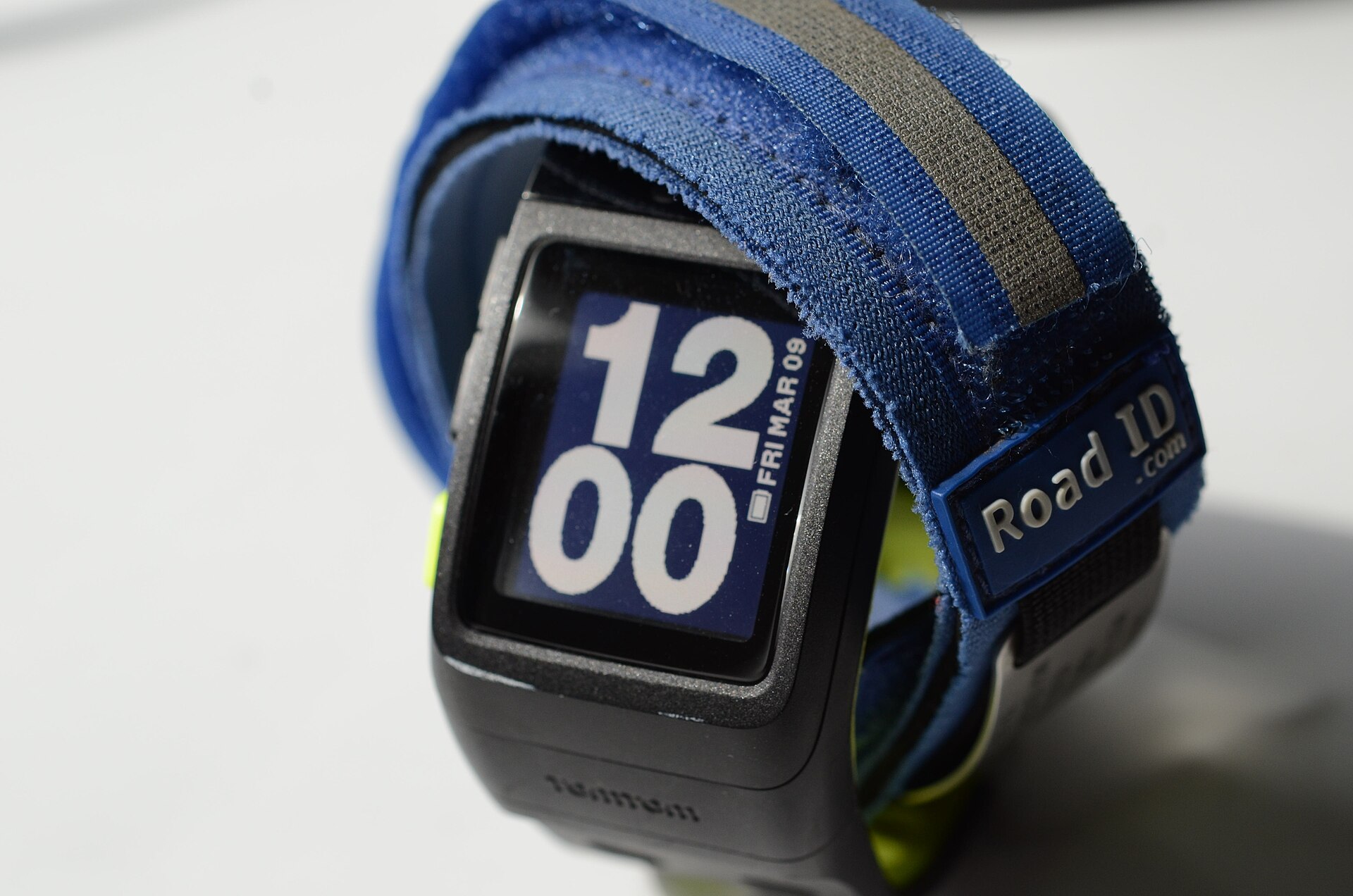
Photo: I Don’t Leave Home Without Them (6967224219), by slgckgc, CC BY 2.0 (Wikimedia Commons)