
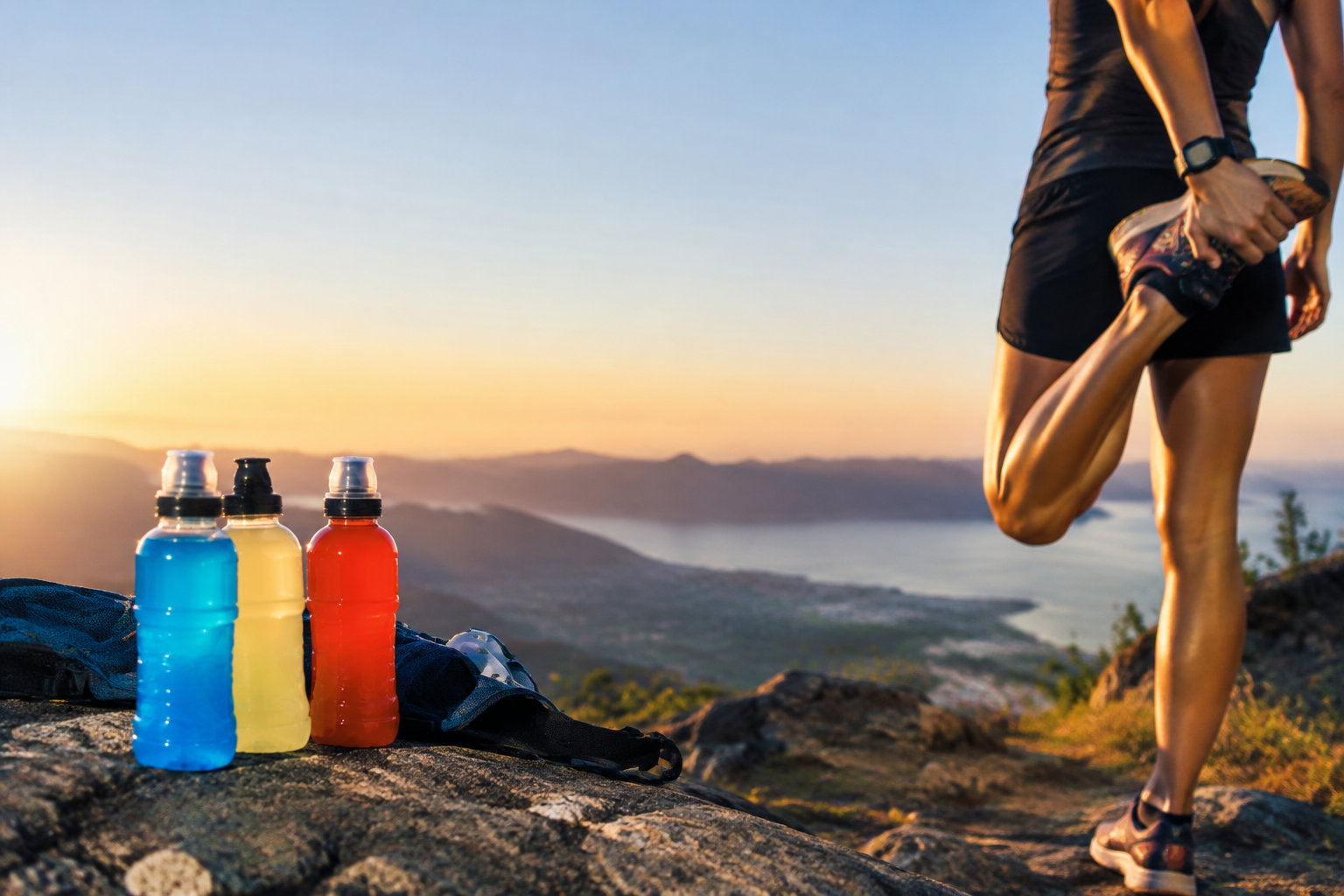
- Sports drinks help performance mainly on long or demanding runs, where carbohydrate supplies fuel you would otherwise run short of.
- For easy runs under an hour, water is usually enough, and a sugary drink adds calories without any training payoff.
- Drinking more is not safer: overdrinking can cause hyponatremia, so match your intake to your thirst and sweat rate rather than a fixed volume.
- Sugar and acid both affect teeth, so rinse with water after a sports drink and wait before brushing.
Table of Contents
- What sports drinks do during a run
- When sports drinks may help performance
- Hydration, sweat and electrolytes
- Sugar, calories and dental trade-offs
- Practical takeaways for runners
- Frequently Asked Questions
Many runners reach for a sports drink before every run, even short ones.
The label promises fuel and hydration, but the evidence is mixed. Here is what the data actually shows about sports drinks for running, and where it stops.
What sports drinks do during a run
Most sports drinks mix water, carbohydrate and electrolytes, mainly sodium and potassium. A workable mix sits around 4 to 8 grams of carbohydrate and 23 to 69 mg of sodium per 100 mL.
Sodium does two jobs. It helps you hold on to fluid and keeps you wanting to drink. It also makes up for some of what you lose in sweat, though that loss varies a lot from one runner to the next.
Concentration is where many drinks go wrong. Too little carbohydrate and you’re mostly drinking water. Too much and fluid leaves your stomach more slowly, which raises the odds of cramps or an upset gut.
Don’t assume an electrolyte drink is a sports drink. Many carry sodium and other minerals but almost no carbohydrate. They replace fluid well, but give you little fuel for the run.
When sports drinks may help performance
Duration changes the answer
How much carbohydrate you need rises with the length of the effort:
Under 45 to 60 minutes: a regular meal and water usually cover your hydration and energy.
A hard or fast session can still gain something from carbohydrate, especially after an overnight fast. The payoff is modest, though.
One to two and a half hours: 30 to 60 g of carbohydrate per hour is the usual recommendation.
A sports drink can cover some or all of that. It depends on the label and how much liquid your stomach handles.
Beyond two and a half hours: serious endurance athletes sometimes aim for up to 90 g per hour.
Reaching that usually means mixing sources. Glucose or maltodextrin pairs with fructose, because the gut absorbs the two through different pathways.
In Canada, a 591 mL bottle of standard Gatorade carries 38 g of carbohydrate and 150 calories. G2 offers 12 g and 50 calories, and Gatorade Zero has no sugar and just 2 g of carbohydrate.
The response varies
Carbohydrate earns its keep when the pace is demanding, the run is long enough to drain your fuel, or you began with low glycogen stores.
Short, easy runs leave little room for a measurable gain.
Heat muddies things further. Some hot-weather trials found carbohydrate drinks improve performance. More recent evidence shows no consistent change in hydration, core temperature or fatigue compared with a placebo.
Applying the evidence
Begin taking carbohydrate early in a long run, not once you’re badly fatigued. Small, steady doses sit far better than one large dose late on.
Eating a lot of carbohydrate can bring on bloating, cramping, nausea or diarrhoea, especially at a faster pace. Testing your drink and fuelling plan during training lets your gut adapt and surfaces problems well before race day.
Hydration, sweat and electrolytes
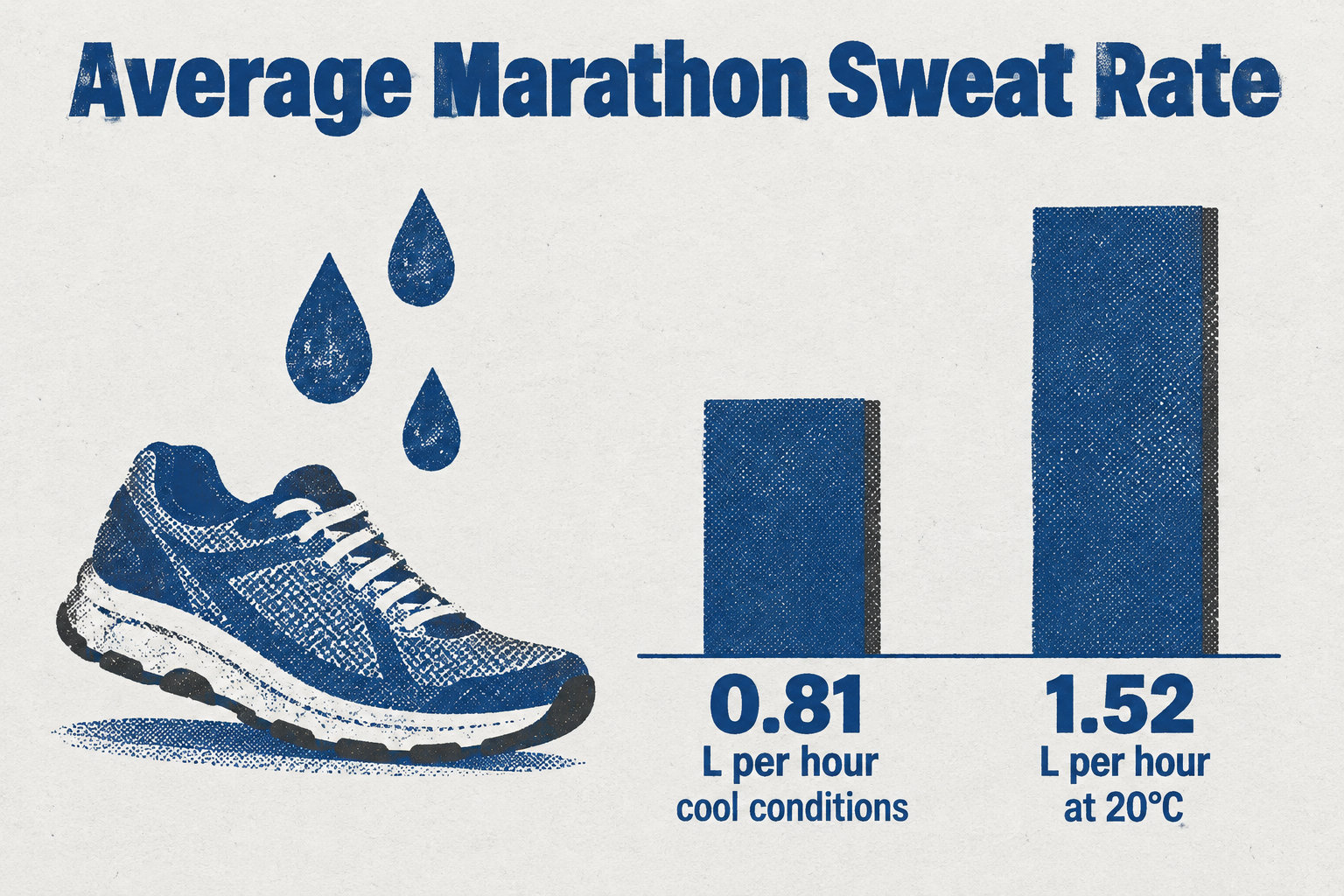
Your sweat rate depends on several things. Body size matters. So do speed, clothing, temperature, humidity and how well your body has adapted to heat.
In one analysis, marathon runners sweated about 0.81 L per hour in cool conditions.
At 20°C, that figure rose to 1.52 L per hour.
Overdrinking carries its own risk
Drinking too much is a hazard in its own right.
Exercise-associated hyponatremia develops when blood sodium drops below 135 mmol/L. It happens most often after a long effort, when you take in more fluid than your body loses.
On a short, easy run, thirst and normal urine output usually guide your drinking. The sign to watch for is persistent dizziness, faintness or unusual weakness.
On a long run in cool weather, expect a moderate sweat loss and a variable need for fluid. Watch for drinking repeatedly without thirst, or gaining weight during the run.
On a long run in heat, you lose more sweat and your fluid runs out faster. Confusion, collapse, severe headache or trouble coordinating your movements all call for immediate action.
After the run, replace fluid gradually, with food and sodium. Nausea, swollen hands, a worsening headache or vomiting after heavy drinking need attention.
Headache, nausea, dizziness, puffiness and confusion can all signal hyponatremia. They also overlap with heat illness and dehydration. If symptoms are severe or get worse fast, get medical help promptly.
Practical hydration targets
Drink about 500 mL of fluid two hours before you start. This gives you a solid baseline and time to pass any extra. If you already feel well hydrated, there’s no need to force more.
Once you’re running, start drinking early. Let your sweat rate, thirst, the weather and your access to fluids guide the rest.
Endurance guidance often lands around 400 to 800 mL per hour, though that’s a range to work within, not a fixed rule.
Sugar, calories and dental trade-offs
Sugar has a purpose during hard exercise
A full-strength sports drink gives you genuine running fuel, but each 500 to 600 mL serving also brings roughly 120 to 150 calories.
Those calories make sense for long, intense efforts. On many short or easy runs, a sugary drink just adds intake without any training payoff.
Low-sugar and sugar-free options let you separate hydration from fuelling. Gatorade Zero supplies electrolytes without sugar. Nuun Sport gives 300 mg of sodium and 1 g of sugar per tablet.
Sugar-free doesn’t mean acid-free. Acidic ingredients can still wear down enamel. A zero-sugar drink may lower your risk of cavities, but it still carries some risk of erosion.
Teeth face sugar and acid
Regular sips of sugary drinks feed the bacteria that cause decay. Repeated acid exposure does more harm during exercise. Reduced saliva leaves your teeth with less protection.
After a sports drink, rinse with water. Hold off on brushing for a while, because softened enamel needs time to firm back up. Fluoride toothpaste and regular dental checkups help guard against long-term damage.
Practical takeaways for runners
For an easy run under an hour, water is usually enough. On a long or hard run, choose a sports drink if you want fluid and carbs together. If your fuel comes from gels or food, an electrolyte drink may suit you better.
A sports drink suits runners who want fluid and fuel together. An electrolyte drink suits runners who want minerals with little carbohydrate. An energy drink is a caffeinated stimulant. It does not replace either one during exercise.
Plan your drinks around your gels, chews and food. Count the carbs from every source. A full-strength sports drink plus several gels can push your intake past what your gut tolerates.
Watch for confusion, severe headache or swelling during or after a long effort. These signs point to a medical concern rather than a thirst problem, so get care quickly if they worsen, and do not simply keep drinking.
Frequently Asked Questions
Are sports drinks safe for children?
For most children, sports drinks are not needed during ordinary activity lasting less than an hour.
Water is generally enough. Sugary versions add calories and acid exposure, with no clear benefit for short activities.
Can sports drinks replace a meal after running?
No. A sports drink supplies fluid and carbohydrate, but not the wider range of nutrients a meal provides.
After a long run, pair your drink with food that provides carbohydrate, protein and sodium.
What should you drink if you run in cold weather?
Cold weather may reduce sweat loss, so you may need less fluid than on a hot run at the same pace.
Let thirst, your past sweat-rate measurements and the length of the session guide how much you drink.