
You want a Fitbit alternative, but the market is crowded. The right pick depends on what you want to give up and what you want to gain. This guide sorts the main device types by price, subscription cost, battery life and phone support.
- Check the real cost, because some brands charge a yearly or monthly fee.
- Match the device type to your habits: walking, running or sleep.
- Confirm phone compatibility before you buy.
Why would you leave Fitbit in the first place?
Fitbit is no longer the independent company it was. Google bought it in January 2021 and folded it into its hardware division. In August 2024, Google stopped making Fitbit smartwatches to focus on the Pixel Watch line. The Fitbit name stayed on trackers and apps.
The app has also changed. It was renamed Google Health in 2026. If you liked the old setup, that shift may push you to look around.
Other reasons are more practical. You may want a screen, or no screen at all. You may want built-in GPS. You may want to avoid a subscription.
Write down your reasons first. They decide which category fits you.
- Cost over time
- Display or no display
- GPS on the wrist or via your phone
- Battery life
- Phone compatibility
What does the subscription model really cost?
The sticker price can mislead you. Some devices are cheap to buy but costly to keep.
Take Oura. The Oura Ring 5 costs $399 upfront. Reviewers also note it needs about $6 per month, or $70 per year, to be truly useful. After two years, the total reaches roughly $550.
Whoop works differently. The hardware comes with the membership. Plans run from $199 to $359 per year.
Google’s own screenless Fitbit Air starts at $100. Most of its features work without a monthly fee. Google Health Premium adds the AI coach and extras for $10 per month or $100 per year.
Fitbit itself uses a paid tier too. On the Charge 6, advanced sleep metrics and the AI-powered coach sit behind a $10 monthly Premium plan.
Add up three years of ownership before you decide. A cheap band with no fee can cost less than a ring with a plan.
Which device type suits which kind of user?
Different shapes of tracker handle different jobs. Here is how the main groups compare, based on the reviews in front of us.
Screenless bands
Whoop and the Fitbit Air skip the display. They focus on passive tracking built around heart rate. Whoop puts its depth in the app, with recovery, strain and sleep data. The Fitbit Air is the cheaper route and needs no mandatory subscription.
Slim trackers with a screen
The Garmin vívosmart 5 has a narrow monochrome display. It logs heart rhythm, sleep, steps and workouts. Garmin’s Body Battery score estimates how long to wait before your next hard session. It costs $150 and has no monthly fee. It has no built-in GPS and uses your phone’s connection.
Budget bands
The Xiaomi Smart Band 10 costs around $50 with no fees. It tracks heart rate and sleep and can last up to 21 days. It has no built-in GPS. It lacks sensors such as ECG, skin temperature and HRV. Its sleep tracking gets mixed feedback.
Smart rings
The Samsung Galaxy Ring costs $400 and works without a monthly fee. It tracks sleep duration, stages and skin temperature, and it detects walking and running. It does not work with iPhones.
Smartwatches
The Apple Watch Series 11 starts at $400 and works only with iOS. The Google Pixel Watch 4 still uses Fitbit tools for health and sleep data. It adds a bright 1.4-inch display and reliable built-in GPS, according to one reviewer.
Use this as a quick matching guide:
- Casual walker: a budget band or the Fitbit Air.
- Runner: a watch with GPS, or a slim tracker paired with your phone.
- Sleep-focused: a ring, Whoop or a Fitbit-style tracker.
How do battery life and GPS compare?
Battery life changes how you live with a device. A tracker that dies often gets left on the charger, and that leaves gaps in your data.
The Xiaomi Smart Band 10 is listed at up to 21 days. The Fitbit Air lasts about seven days but charges quickly. One review unit went from 36 percent to 58 percent in five minutes. The Samsung Galaxy Ring lasts at least six days. The Fitbit Charge 6 runs around six to seven days, though some owners report a drop to one day after about a year. The Apple Watch Series 11 reaches up to 24 hours with regular use.
Now GPS. Many small trackers skip it. The Fitbit Air, Whoop, vívosmart 5 and Xiaomi band rely on connected GPS through your phone or have none. The Charge 6 has built-in GPS, but one reviewer found it unreliable until switching to dynamic GPS paired with a phone.
If you run without your phone, this matters a lot. A watch-style device is the safer choice for that habit.
- Long battery: Xiaomi, Whoop, Fitbit Air.
- Phone-free runs: a watch with built-in GPS.
- Short battery tradeoff: smartwatches.
What should you check before you buy?
Compatibility trips up many buyers. Check it early.
The Apple Watch works only with iOS. The Galaxy Ring does not work with iPhones. It also needs a Samsung phone for Galaxy AI features and its double-pinch gestures. The Fitbit Air works with Android and iOS but needs the Google Health app and does not sync natively with Apple Health. The Garmin vívosmart 5 pairs with Android and iOS, and its Garmin Connect app can sync with Apple Health and Google Health. Xiaomi’s band pairs with the Mi Fitness app on both platforms.
Next, think about accuracy. One reviewer rates the Charge 6 as accurate for heart rate, sleep stages and step counts. That is a single opinion, not a lab result. If accuracy is your main worry, look for independent validation studies before you commit.
Run through this checklist:
- Does it work with your phone?
- Does it sync with the health app you already use?
- What is the total cost over three years?
- Does it have GPS if you need it?
- How long does the battery last in real use?
Pick the device that fits your routine. Then give it a few weeks before you judge it.
Related reading
- Fitbit vs Whoop: Recovery & Sleep Tracking Compared (2025)
- GPS Accuracy in Running Watches Compared: Single-Band, Multi-Band and a 400 m Track Test
Sources
- 5 fitness trackers you should buy instead of the Google … (androidauthority.com, accessed 2026-11-14)
- 5 Fitness Trackers That Don’t Lock Core Features Behind A … (engadget.com, accessed 2026-11-14)
- The Best Fitbits of 2026 – Business … (businessinsider.com, accessed 2026-11-14)
- Fitbit — Wikipédia (en.wikipedia.org, accessed 2026-11-14)
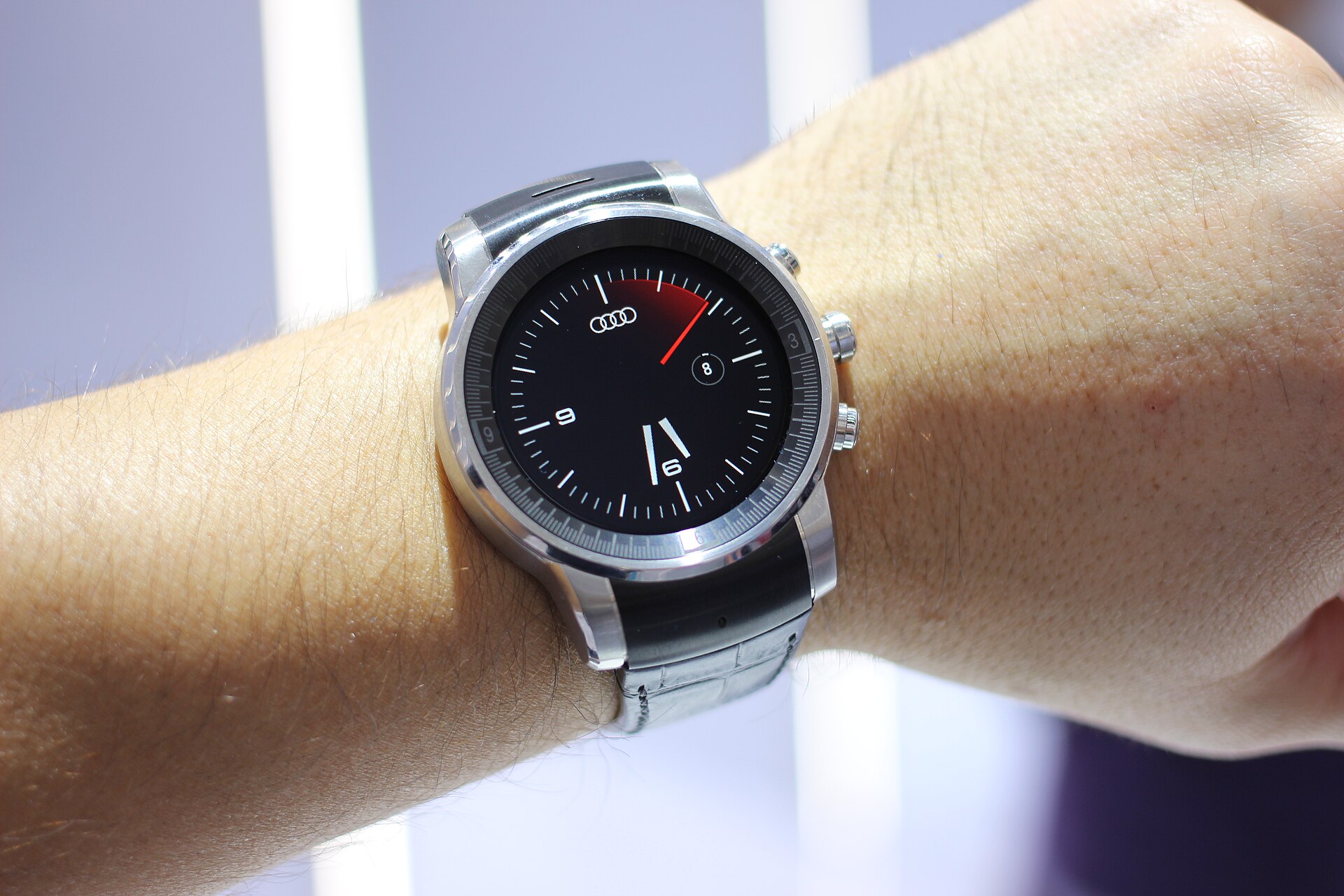
Photo: Audi-LG WebOS Smartwatch Prototype (16676003760), by Maurizio Pesce from Milan, Italia, CC BY 2.0 (Wikimedia Commons)